
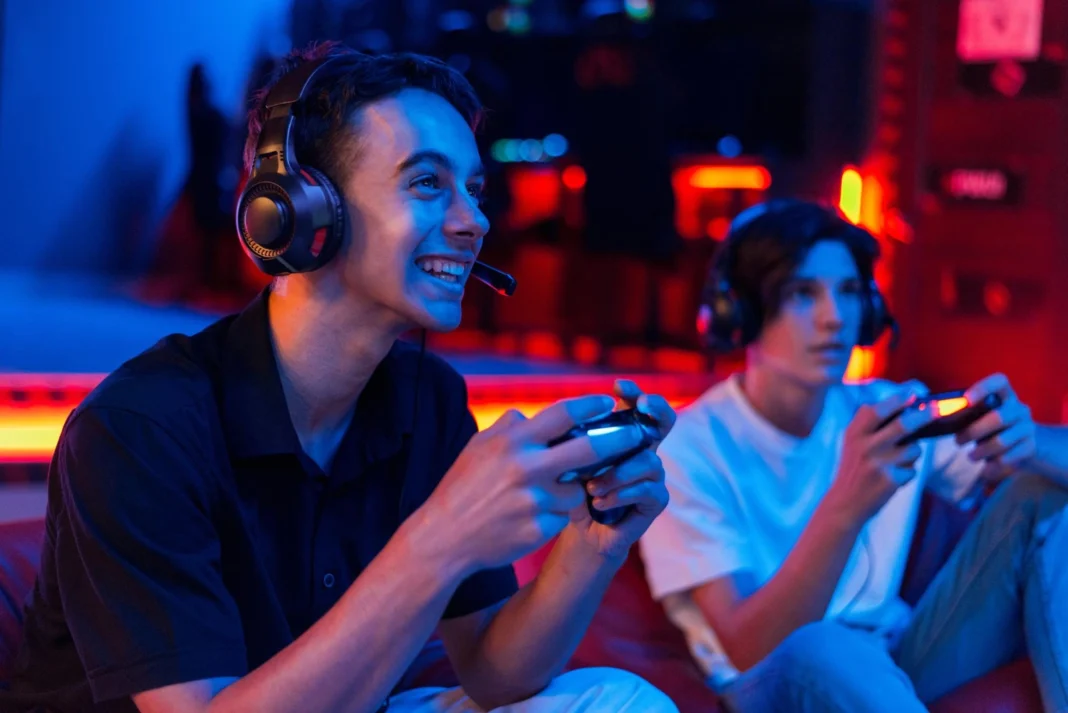
Virtual reality (VR) is not just for gamers anymore; it’s paving the way for transformative changes in education, particularly when it comes to history lessons. Imagine not just reading about ancient Rome but walking its cobbled streets, participating in senate debates, or witnessing Julius Caesar’s rise to power. Such immersive experiences are where VR is heading, and it promises to bring history to life.
Bringing history to life
Traditional history classes have long relied on textbooks and documentaries to paint pictures of the past. While these resources are valuable, they often stand no match against the pull of firsthand experiences. Enter virtual reality, a medium that offers something textbooks simply cannot: an immersive dive into historical events. These simulations place students directly into other eras, allowing for engagement that’s both active and memorable.
Picture a student donning a VR headset and instantly being transported back to the days of the Renaissance. They could walk through Michelangelo’s workshop, interact with Leonardo da Vinci, or stand amidst the crowd at a Shakespearean play. The level of detail and interactivity offers a far richer understanding than any chapter in a book ever could.
Enhancing empathy and understanding
One of the most **significant promises** of VR in education goes beyond mere visual and tactile immersion. It’s the opportunity it offers to build empathy. For example, experiencing a day in the life of a soldier during World War I can profoundly change a student’s perspective on the topic. By walking in the shoes of people from the past, students can better appreciate the complexities of historical figures and events.
This deepened understanding might even foster a more nuanced discussion about historical issues, encouraging critical thinking and discussion that is often difficult to achieve in traditional classrooms. Empathy is crucial for learning history, as it allows students to grasp the human experience behind every event.
Technology integration and classroom transformation
Integrating virtual reality into education is not without its challenges. Schools will need access to VR equipment, and teachers must be trained to utilize these tools effectively. It’s a shift that requires investment, both financially and in terms of time. Yet, the transformative potential of VR makes it an exciting development. As this technology becomes more accessible and affordable, more institutions will likely begin to adopt it.
Beyond the logistical hurdles, there’s also a need for high-quality content. Developing accurate historical simulations requires expert input to ensure that what students are experiencing is factually correct and aligns with educational standards. Teachers will have the unique opportunity to act as guides or facilitators in these experiences, adding context and discussion to enhance learning.
The future of educational VR
The future for VR in education isn’t limited to history. While historical simulations capture much of the current excitement, VR can extend its reach to other subjects like science, art, and even mathematics, offering a plethora of possibilities for innovative curricula. By fostering a truly engaging environment, VR can help students develop skills that are invaluable in our increasingly digital world.
With VR, the potential for learning extends beyond the classroom. Imagine field trips made possible across the universe, diving into the ocean’s depths, or exploring distant galaxies. When students are engaged and curious, learning becomes a joy rather than a chore. And isn’t that what education is all about?
